15 Best High-Protein Foods for Muscle Gain and Fat Loss
A ranked list of the 15 best high-protein foods for muscle gain and fat loss — with real macros, cost per gram of protein, and when to eat each.
Protein is the macronutrient that makes the difference between losing fat and losing yourself, and between a gym membership and an actual physique. The question is never whether you need protein — it's which foods deliver the most usable grams per dollar, per calorie, and per minute of prep. Below are the 15 best high-protein foods ranked with real macros, cost-per-gram-of-protein math, and notes on when each one slots cleanly into a day of eating.
Key Takeaways
- Daily protein target: 1.6 g/kg bodyweight (~0.73 g/lb) is the research-backed ceiling for muscle growth in trained adults — a 160 lb lifter needs ~117 g/day
- Leucine threshold per meal: each meal needs ~2–3 g leucine to trigger muscle protein synthesis; chicken breast, beef, and whey all clear this bar in a standard serving
- Complete vs. incomplete proteins: animal proteins (eggs, meat, dairy, fish) carry all 9 essential amino acids; most plant proteins don't — pair lentils with rice to cover the gaps
- Cost-per-gram leaders: lentils (~$0.010/g), chicken breast (~$0.025/g), and eggs (~$0.025/g) are the cheapest complete-or-near-complete proteins available
- Protein distribution matters: spreading 25–40 g across 4–5 meals outperforms two large doses for hypertrophy; don't stack all your protein at dinner
- Supplement role: whey and plant protein powders are gap-fillers, not meal replacements — whole food sources should anchor every main meal
How This List Was Ranked
Three criteria weighted equally:
- Protein density — grams of protein per 100 g of food
- Protein quality — PDCAAS or DIAAS score (how well the amino acid profile matches human needs)
- Practical value — cost per gram of protein and how easy it is to prepare repeatedly
Nothing exotic made the cut. Every food below is at a standard grocery store, under $10 for a multi-serving portion.
High-Protein Foods at a Glance
| Food | Protein per 100g | Calories | Cost Tier | Leucine per 100g | DIAAS | |------|-----------------|----------|-----------|-----------------|-------| | Chicken Breast | 31 g | 165 | $ | ~2.5 g | 1.08 | | Turkey Breast | 29 g | 135 | $ | ~2.3 g | 1.05+ | | Whey Isolate (powder) | 80–90 g | ~380 | $$ | ~9 g | 1.09 | | Canned Tuna | 26 g | 116 | $ | ~2.1 g | 1.00+ | | Lean Ground Beef (93/7) | 26 g | 184 | $$ | ~2.1 g | 1.12 | | Salmon | 25 g | 208 | $$$ | ~2.0 g | 1.10+ | | Shrimp | 24 g | 99 | $$ | ~1.9 g | 1.00+ | | Cod | 23 g | 105 | $$ | ~1.8 g | 1.00+ | | Tempeh | 19 g | 192 | $$ | ~1.1 g | 0.87 | | Eggs (whole) | 13 g | 155 | $ | ~1.1 g | 1.13 | | Cottage Cheese | 12 g | 84 | $ | ~1.0 g | — | | Edamame | 11 g | 121 | $ | ~0.8 g | 0.93 | | Greek Yogurt (2%) | 10 g | 73 | $ | ~0.9 g | 1.18 | | Tofu (firm) | 10 g | 76 | $ | ~0.7 g | 0.92 | | Lentils (cooked) | 9 g | 116 | $ | ~0.6 g | 0.76 |
Cost tiers: $ = <$0.04/g protein, $$ = $0.04–$0.07/g, $$$ = >$0.07/g
The LBE Protein Priority Stack
When choosing protein sources, not all grams are equal. The LBE (Leucine–Bioavailability–Economy) Protein Priority Stack ranks sources across three axes so you can build a rotation that works for any budget and goal:
Tier 1 — The Workhorses (high leucine + high DIAAS + low cost) Chicken breast, eggs, canned tuna, lean ground beef. These are your daily drivers. Build every main meal around at least one of them.
Tier 2 — The Quality Upgrades (high DIAAS, moderate cost) Whey isolate, Greek yogurt, cottage cheese, shrimp, turkey breast. Use these as secondary sources, snacks, or post-workout gap-fillers.
Tier 3 — The Strategic Additions (specialized benefits justify higher cost or lower DIAAS) Salmon (omega-3s), tempeh (gut-friendly fermented soy), edamame (fiber + complete plant protein), tofu (versatile plant base).
Tier 4 — Budget Extenders (pair with Tier 1 for completeness) Lentils. Cheapest protein on earth. Not leucine-complete alone — always pair with a Tier 1 or Tier 2 source in the same meal.
Protein Source by Goal
| Goal | Best Sources | Why | |------|-------------|-----| | Maximize muscle gain | Chicken breast, lean beef, whey isolate, eggs | High leucine clears the 2–3 g per-meal threshold; fast digestion (whey) or slow (eggs + yolk fats) cover the full recovery window | | Fat loss / calorie deficit | Shrimp, cod, Greek yogurt, egg whites | Lowest calories per gram of protein — shrimp delivers 24 g protein in under 100 cal | | Budget eating | Lentils + rice, eggs, canned tuna, chicken breast | Sub-$0.03/g protein; a full day's protein target under $3 | | Plant-based / vegan | Tempeh, tofu, edamame, lentils + rice | Tempeh leads on leucine; combining lentils with rice covers all essential amino acids | | Pre-bed recovery | Cottage cheese, Greek yogurt | Casein-dominant — digests over 6–8 hours, sustaining amino acid delivery during sleep | | Convenient / no-prep | Canned tuna, Greek yogurt, hard-boiled eggs, protein powder | <2 minutes from fridge to eating |
1. Chicken Breast
- 31 g protein / 100 g cooked, 165 cal
- DIAAS: 1.08 (complete protein)
- ~$0.025 per gram of protein
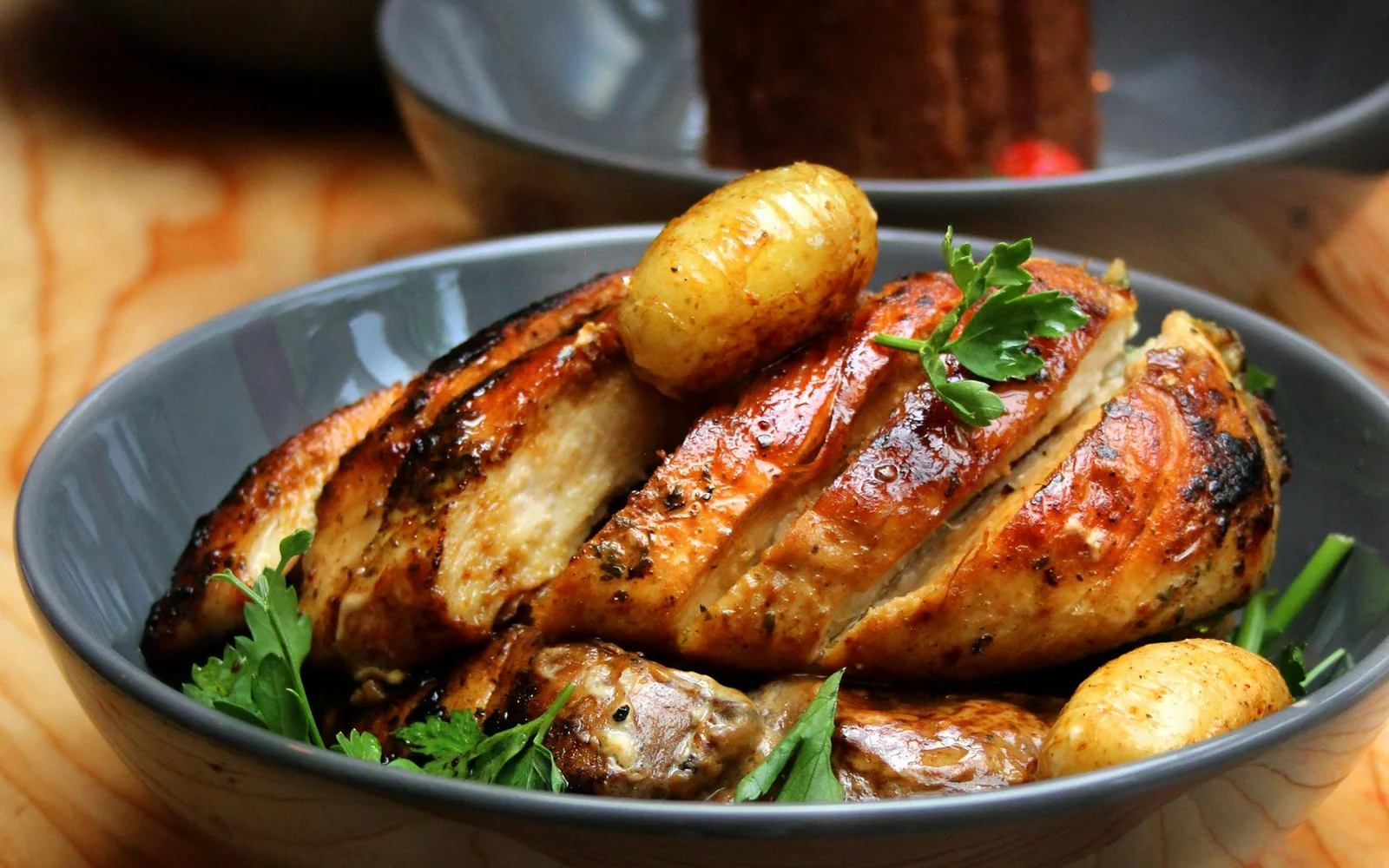
The undisputed king. High protein, low fat, nearly zero carbs, and you can buy 4 lbs for $15 at Costco. Cook it wrong and it's rubber; cook it to 165°F and rest 5 minutes, and it's the most efficient protein delivery on the list.
When to eat: lunch or dinner as the base protein of a plate meal.
2. Greek Yogurt (2% plain)
- 10 g protein / 100 g, 73 cal
- DIAAS: 1.18 (high quality)
- ~$0.035 per gram of protein
A whole-food breakfast anchor and a late-night snack hero. Mix with berries, a drizzle of honey, and a half-scoop of whey for a 35 g protein breakfast that takes 60 seconds.
3. Eggs (whole)
- 13 g protein / 100 g, 155 cal
- DIAAS: 1.13 (the biological standard)
- ~$0.025 per gram of protein
The gold standard of protein quality — eggs are literally how DIAAS scores are benchmarked. Whole eggs also deliver choline, vitamin D, and the "good" cholesterol that raises HDL.
Expert tip: the yolk contains most of the micronutrients. Egg-white-only obsession is a holdover from bad 90s nutrition advice.
4. Whey Protein Isolate
- 80–90 g protein / 100 g powder, ~380 cal
- DIAAS: 1.09 (fast-absorbing)
- ~$0.025–0.035 per gram of protein
The most calorie-efficient protein on this list. A scoop is 24 g protein in 120 cal — equivalent to 4 oz chicken at less prep cost. Best used as a gap-filler when you're 25 g short of your daily target at 9 PM.
For a post-workout blend with slightly slower-release casein mixed in, the category default delivers reliable taste and mixability at a premium:
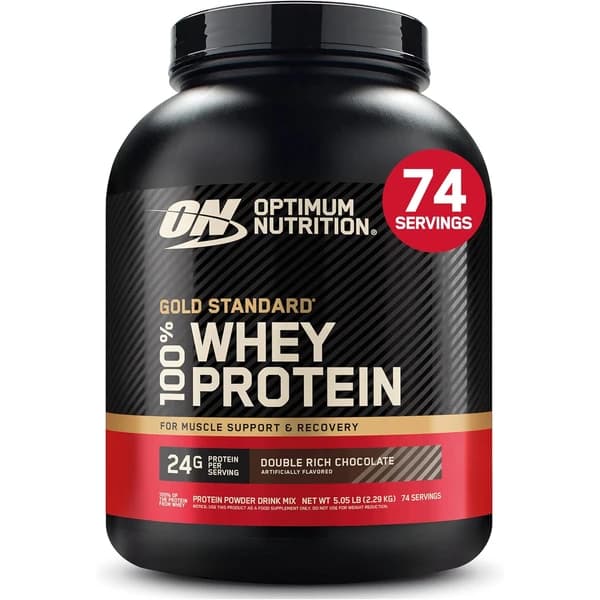
Amazon · Affiliate
Optimum Nutrition Gold Standard 100% Whey
4.8
The world's best-selling whey protein powder. 24g protein per serving, low sugar, mixes easily.
$30–$60Check Price on Amazon
5. Canned Tuna (in water)
- 26 g protein / 100 g, 116 cal
- DIAAS: 1.00+ (complete)
- ~$0.028 per gram of protein
The protein-dense desk-drawer emergency meal. One can = 25 g protein, 2 minutes of prep, and under $2. Rinse it to cut sodium by 40%.
6. 93/7 Lean Ground Beef
- 26 g protein / 100 g cooked, 184 cal
- DIAAS: 1.12 (complete)
- ~$0.045 per gram of protein
More flavor than chicken, more iron than most foods, and higher leucine concentration — the amino acid most directly responsible for triggering muscle protein synthesis.
7. Cottage Cheese (low-fat)
- 12 g protein / 100 g, 84 cal
- Slow-digesting (casein-dominant)
- ~$0.035 per gram of protein
The ideal pre-bed protein. Casein digests over 6–8 hours, keeping amino acid levels elevated while you sleep — directly useful for overnight recovery.
8. Salmon
- 25 g protein / 100 g cooked, 208 cal
- DIAAS: 1.10+
- ~$0.075 per gram of protein
Expensive per gram but delivers the most effective omega-3 dose of any food on the list. 2–3x per week is enough for the full cardiovascular + inflammation benefit.
9. Tofu (firm)
- 10 g protein / 100 g, 76 cal
- DIAAS: 0.92 (plant-based, still high quality)
- ~$0.040 per gram of protein
Vegetarian foundation. Press out the water, marinate 20 minutes, pan-sear — and it becomes the versatile base for bowls, stir fries, and salads.
10. Tempeh
- 19 g protein / 100 g, 192 cal
- DIAAS: 0.87
- ~$0.045 per gram of protein
Fermented soy — higher protein than tofu and pre-digested by the fermentation process, making it easier on the gut. Works as a meat substitute in almost any recipe.
11. Lentils
- 9 g protein / 100 g cooked, 116 cal
- DIAAS: 0.76 (pair with rice for completeness)
- ~$0.010 per gram of protein — cheapest on the list
The budget king. Add to soups, curries, or bowls for a low-cost 20 g protein boost that also delivers fiber and folate.
12. Shrimp
- 24 g protein / 100 g cooked, 99 cal
- DIAAS: 1.00+
- ~$0.050 per gram of protein
The leanest animal protein on the list — fewer calories per gram of protein than even chicken breast. Frozen bags make it a 7-minute dinner.
13. Turkey Breast (roasted)
- 29 g protein / 100 g, 135 cal
- DIAAS: 1.05+
- ~$0.035 per gram of protein
A leaner, slightly drier cousin of chicken breast. The better sandwich protein — pre-sliced deli turkey is under-rated for quick lunches.
14. Cod (or other white fish)
- 23 g protein / 100 g cooked, 105 cal
- DIAAS: 1.00+
- ~$0.055 per gram of protein
Extremely low-calorie, clean-tasting, and near-foolproof in a pan. If salmon is too strong for your palate, cod slots in with similar protein density at lower cost.
15. Edamame
- 11 g protein / 100 g, 121 cal
- DIAAS: 0.93 (complete plant protein)
- ~$0.035 per gram of protein
The snack-food protein source. One bag of frozen edamame = 25 g protein, fiber, and the fullness that kills late-afternoon snacking.
Bonus: Foods That Look High-Protein But Aren't
- Peanut butter — 25 g protein per 100 g sounds great, until you see the 588 calories. Protein-to-calorie ratio is poor.
- Quinoa — 14 g protein per 100 g raw, but only 4 g per cooked cup. A carb, not a protein source.
- Almonds — same problem as peanut butter. Eat them for fats, not protein.
- Broccoli — surprising people claim "broccoli has more protein per calorie than steak." Technically true, but you'd need 5 lbs of broccoli to hit 100 g protein. Eat it for fiber.
How Much Protein Do You Actually Need?
The 2020 British Journal of Sports Medicine meta-analysis (Morton et al.) found the inflection point for resistance-trained adults at 1.6 g/kg bodyweight (~0.73 g/lb). Beyond that, additional protein did nothing for muscle growth. For a 160 lb lifter, that's ~117 g — achievable with:
- 6 oz chicken breast (40 g)
- 2 eggs + Greek yogurt breakfast (30 g)
- 1 whey scoop (24 g)
- 1 can tuna at lunch (25 g)
Total: 119 g — without particularly trying.
When Protein Powder Makes Sense
Whole food sources should anchor your main meals, but powder earns its place as a gap-filler, travel option, or quick post-workout boost. The cleanest options avoid artificial sweeteners, fillers, and excessive additives.
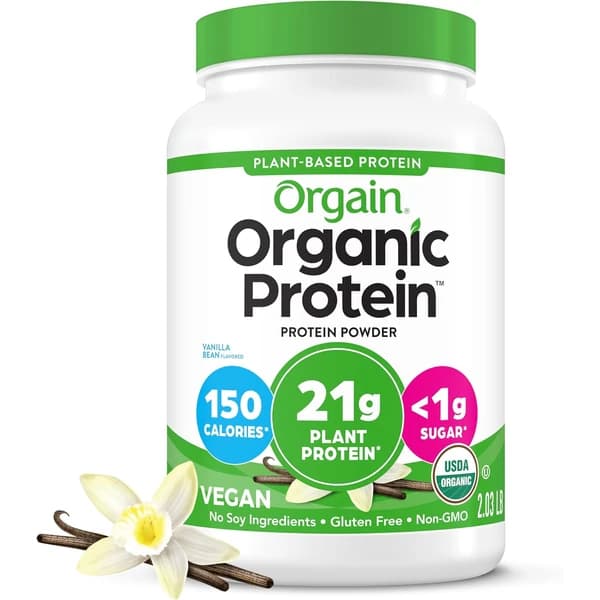
Amazon · Affiliate
Orgain Organic Protein Powder (Plant-Based)
4.5
21g of organic plant protein per serving. Dairy-free, soy-free, non-GMO. Great for vegans and those with lactose intolerance.
$20–$35Check Price on Amazon
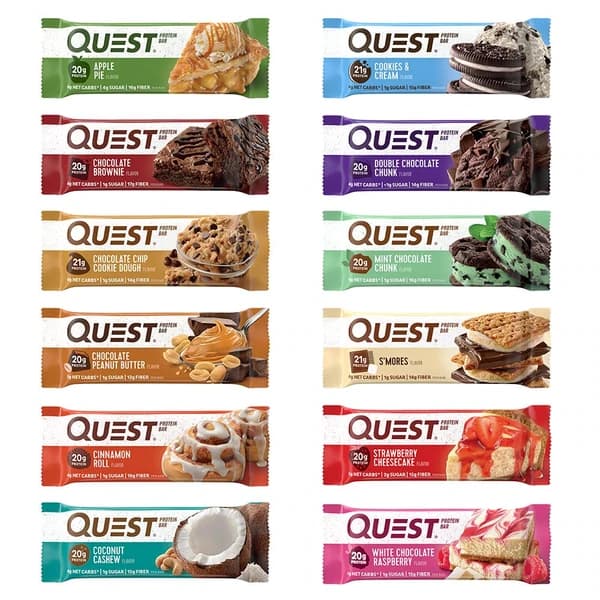
For on-the-go situations when whole food isn't practical, a high-quality bar beats most alternatives — but check the label for actual protein vs. sugar alcohol padding:
Amazon · Affiliate
Quest Nutrition Protein Bars (12-Pack)
4.6
20–21g protein, low net carbs, and high fiber. A convenient on-the-go snack that fits most diet plans.
$20–$30Check Price on Amazon
Micronutrient Backstop
A high-protein diet naturally crowds out fruits and starches when you're in a deficit. The most commonly depleted micros under training + dieting are magnesium, iron, zinc, and vitamin D. A clean multivitamin covers the gap when your rotation narrows.
Expert tip: nutritionist Lyle McDonald emphasizes that protein quality matters more than quantity past a threshold — "It's harder to under-eat protein quality than it is to over-eat quantity. Prioritize complete proteins at each meal."
Common Mistakes
- Relying on protein bars — most are glorified candy; check the label for actual protein vs sugar alcohols
- Eating all your protein at dinner — hypertrophy research shows 4–5 meals of 25–40 g each beats 2 meals of 60 g
- Ignoring plant proteins in mixed diets — even omnivores benefit from rotating in lentils, tempeh, and edamame for fiber
- Under-weighing portions — a "chicken breast" ranges from 4–10 oz depending on the bird. Weigh or get used to wildly variable intake
- Treating protein shakes as meal replacements — a shake is a snack or a gap-filler, not lunch
Final Thoughts
The best high-protein foods aren't the fanciest or the most expensive — they're the ones you'll still be cooking three months from now. Build a rotation of 5–6 from this list, applying the LBE Protein Priority Stack to match your budget and goal. Weigh portions for two weeks to calibrate your eye, and hitting your daily target becomes automatic. Everything else about your physique — the training, the recovery, the supplements — stacks on top of this foundation.
For the kitchen-side execution, pair this with our high-protein meal prep guide or subscribe to the LeanBodyEngine newsletter for weekly recipes and grocery lists.
Affiliate disclosure: Some links in this article are affiliate links. If you purchase through them, we may earn a small commission at no extra cost to you. We only recommend products we genuinely believe in.
About the author
Nathan reviews the research, tests the tools, and writes the guides at LeanBodyEngine — evidence-first, no sponsored content, no supplement shilling.
Related articles
Subscribe
Never miss a new article
Get an email whenever we publish a new fitness guide, supplement review, or workout plan. One short email per post — that's it.
Unsubscribe anytime. We only email when there's a new post.